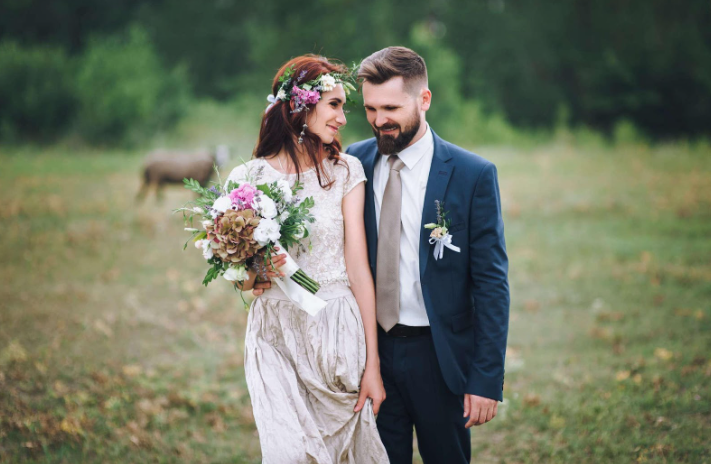
Your wedding day is a momentous chapter in your love story, a day to celebrate your commitment and a time to bid a fond farewell to those days as a lonely singleton!
However, if your love for your soon-to-be bride is as deep as your affection for mother earth you may find yourself wondering how you can tie the knot while keeping your environmental footprint as small as possible.
If you’re looking for tips and advice on pulling off the dream eco-wedding pat yourself on the back because you’ve come to the right place. Without further ado let’s explore how you can make sustainable choices for your wedding, from your attire to invitations, while keeping it light and lovingly green.
Table of Contents
- 1 The Wedding Suit: Sustainable and Stylish
- 2 Wedding Accessories: Small Choices, Big Impact
- 3 Wedding Shoes: Walk Down the Aisle with a Green Step
- 4 Eco Invitations & Gifts
- 5 Top Planning Tips for an Eco Wedding
- 6 1. Venue: Choosing Green Spaces
- 7 2. Catering: Sustainable and Delicious
- 8 3. Transportation: Green Travel
- 9 4. Decorations: Natural and Biodegradable
- 10 5. Waste Reduction: Minimize Single-Use Items
- 11 Wedding Rings: Sustainable & Symbolic
The Wedding Suit: Sustainable and Stylish
Your wedding suit is the cornerstone of your look on this special day, and choosing a sustainable option not only makes you look stylish but also demonstrates your commitment to eco-conscious living.
One way to make a green statement with your wedding attire is to explore brands like “EcoChic Suits” and “ReVest.” These eco-friendly suit brands are well-known for their commitment to sustainable practices. By choosing a suit from these brands, you’re not only wearing a stylish outfit but also supporting ethical and environmentally friendly fashion. These suits often incorporate eco-friendly materials like organic cotton, hemp, or Tencel, which are not only comfortable but also have a lower environmental footprint.
If you’re looking to add a touch of history and uniqueness to your wedding attire, consider a vintage or second-hand suit. It’s a perfect way to celebrate sustainability and reduce the demand for new clothing production. Each crease and stitch tells a story, making your wedding outfit even more meaningful.
For those who crave the perfect fit and wish to be directly involved in the selection of eco-friendly fabrics, custom tailoring is an excellent choice. Whether it’s the ideal organic cotton or a hemp-blend fabric, you can select materials that align with your values while ensuring a suit that fits like a glove. Custom-tailored suits also reduce the chances of material wastage, as every detail is crafted to perfection.
Wedding Accessories: Small Choices, Big Impact
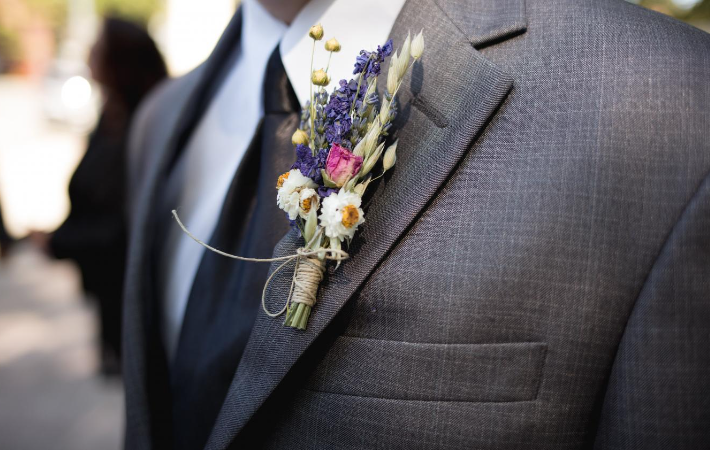
Your accessories may be small, but they pack a mighty punch in the style department. Let’s keep it simple and green. Look for ties and bowties made from sustainable materials like organic silk or bamboo. “Tied to Nature” is your friendly neighborhood for ties crafted from repurposed and recycled materials. How about pocket squares? Opt for those made from organic cotton or upcycled fabrics, and your pocket will never look so good. When it comes to cufflinks and tie bars, think recycled or upcycled materials like reclaimed wood or vintage coins. It’s all about the small details. And don’t forget your socks and undergarments – eco-friendly options made from organic cotton or bamboo, like “Braintree,” are both cozy and green.
Wedding Shoes: Walk Down the Aisle with a Green Step
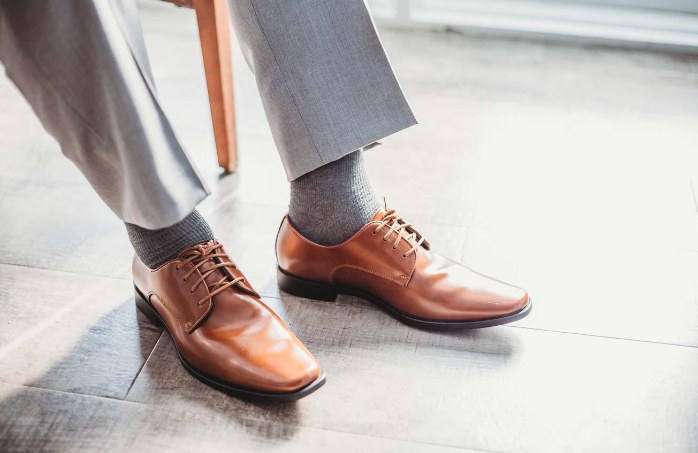
Let’s talk about your wedding shoes. They may be below the radar, but they’re essential for the big day. Ever thought about vegan leather shoes? They’re cruelty-free, and brands like “Bourgeois Boheme” and “Wills Vegan Shoes” offer stylish options. Or you can opt for shoes made from sustainable materials like cork, hemp, or recycled materials. And for the quirky touch, why not go for second-hand or vintage shoes? Not only will you reduce the demand for new production, but you’ll also have a unique, vintage charm.
Eco Invitations & Gifts
Beyond your attire, there are more ways to incorporate sustainability into your wedding, starting with the very first impression you make – the wedding invitations. Your choice of invitations not only reflects your personality but can also be a reflection of your commitment to the environment.
When it comes to wedding invitations, it’s not just about when to send it’s also about what to send and you have several eco-friendly options to consider. One of the simplest steps is to choose invitations made from recycled paper. These invitations have a lovely rustic charm and reduce the demand for freshly harvested trees. If you’re looking for a more modern approach, digital invitations are an excellent eco-conscious choice. They save on paper waste and reduce your carbon footprint as well. Moreover, online RSVPs can further diminish the need for envelopes, stamps, and additional paper waste.
Now, let’s talk about eco-friendly gifts. Wedding gifts are a tradition, and while it’s wonderful to receive tokens of love from your guests, you can also nudge them towards green choices. Start by creating an eco-conscious gift registry that includes items that align with your values. Suggest experiences or donations to charitable causes in your name. Experiences like cooking classes, outdoor adventures, or spa days are not only memorable but also reduce the demand for physical products.
For those who prefer physical gifts, encourage your guests to opt for sustainable and ethical products. Look for brands that focus on eco-friendly and fair trade goods. You can request items made from organic materials, recycled products, or those that promote eco-conscious living.
The green gift trend doesn’t stop at eco-conscious material choices. In recent years, eco-wrapping has gained popularity. Encourage your guests to use reusable or recyclable wrapping paper or even cloth, reducing the waste associated with gift wrapping.
Moreover, wedding favours are a great way to share your eco-conscious values with your guests. Consider small gifts like potted plants, organic homemade goodies, or reusable items like bamboo straws. These favours not only serve as mementos of your special day but also remind your guests of the importance of sustainability.
Top Planning Tips for an Eco Wedding
Your wedding day is more than just what you wear; it’s an opportunity to weave sustainability into every aspect of the celebration. As an eco-conscious groom, you can make a significant impact by considering the environment in your choice of venue, catering, transportation, and decorations.
1. Venue: Choosing Green Spaces
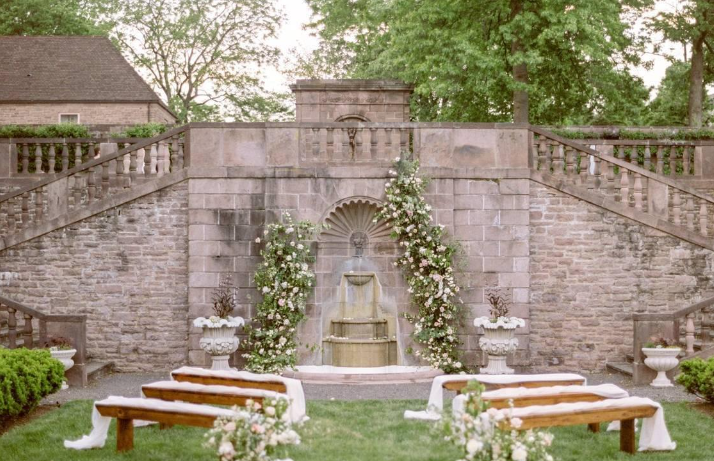
Selecting the right venue can set the tone for your eco-conscious wedding. Look for locations that align with your values and minimize your environmental impact. Consider venues with renewable energy sources, eco-friendly construction, and a commitment to zero waste. Holding your wedding in a natural setting, like a park, beach, or garden, can also be a wonderful way to minimise your carbon footprint and celebrate in harmony with nature.
2. Catering: Sustainable and Delicious
Your choice of catering can have a big impact on the environment. Opt for caterers who prioritise sustainability. Look for those who use locally sourced, organic ingredients to create a menu that’s both delicious and eco-friendly. Also, discuss sustainable options for dietary needs, ensuring that everyone can enjoy the feast with a clear conscience.
3. Transportation: Green Travel
Wedding guests arriving from near and far can significantly contribute to carbon emissions. Encourage eco-friendly transportation options, such as carpooling, biking, or public transport. If possible, provide shuttle services to reduce the number of individual cars on the road. You can even explore the option of electric or hybrid vehicles for the bridal party’s transportation, further reducing your carbon footprint.
4. Decorations: Natural and Biodegradable
The choice of decorations plays a pivotal role in an eco-conscious wedding. Opt for natural and biodegradable options, such as potted plants, wildflowers, or reusable items. Avoid single-use plastics, balloons, and other non-recyclable materials. Embrace eco-friendly lighting with energy-efficient LED bulbs, and consider renting or borrowing decorations to minimize waste.
5. Waste Reduction: Minimize Single-Use Items
Every wedding generates waste, but as an eco-conscious groom, you can work towards minimizing it. Provide recycling and composting bins alongside regular trash receptacles. Encourage the use of reusable items, from dinnerware to cloth napkins, to minimize the need for disposable alternatives. You can also reduce waste by opting for digital wedding programs and guest lists instead of paper.
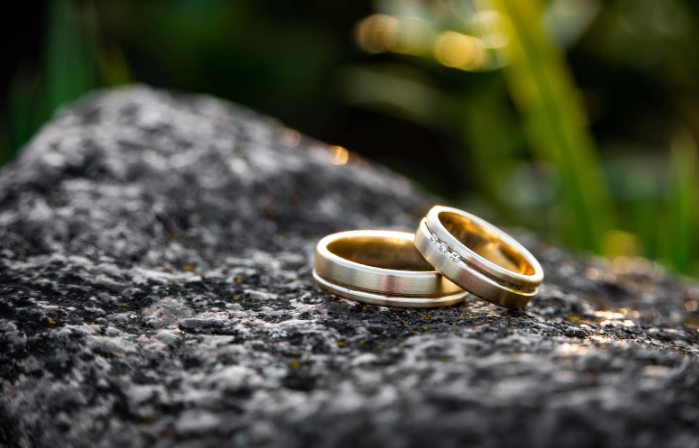
Wedding Rings: Sustainable & Symbolic
Your wedding rings are more than mere accessories; they’re potent symbols of your commitment to sustainability and ethical living. When it comes to selecting your wedding rings, consider eco-conscious options that carry a deeper significance.
Firstly, consider reputable jewellers like “Meaden Master Jewellers” who are renowned for offering a wide selection of mens wedding rings that feature conflict-free and lab-grown diamonds and gemstones. Conflict-free diamonds ensure your gems are devoid of associations with civil conflicts and human rights abuses often linked to traditional diamond mining. Lab-grown diamonds are created in controlled environments, reducing the environmental and ethical concerns of traditional mining, allowing you to wear your love with a clear conscience.
Additionally, many jewellers now provide rings crafted from recycled metals, particularly reclaimed gold and platinum. Opting for these recycled materials minimises the need for new mining, reducing environmental impact and adding a layer of meaning to your rings, symbolising renewal and a commitment to sustainability.
Furthermore, investigate jewellers who adhere to ethical practices. Ensure that their materials are responsibly sourced, and their workforce is treated fairly. Ethical jewellers often exhibit strong commitments to sustainability and social responsibility. Supporting these businesses allows you to make an ethical choice while selecting beautiful rings.